

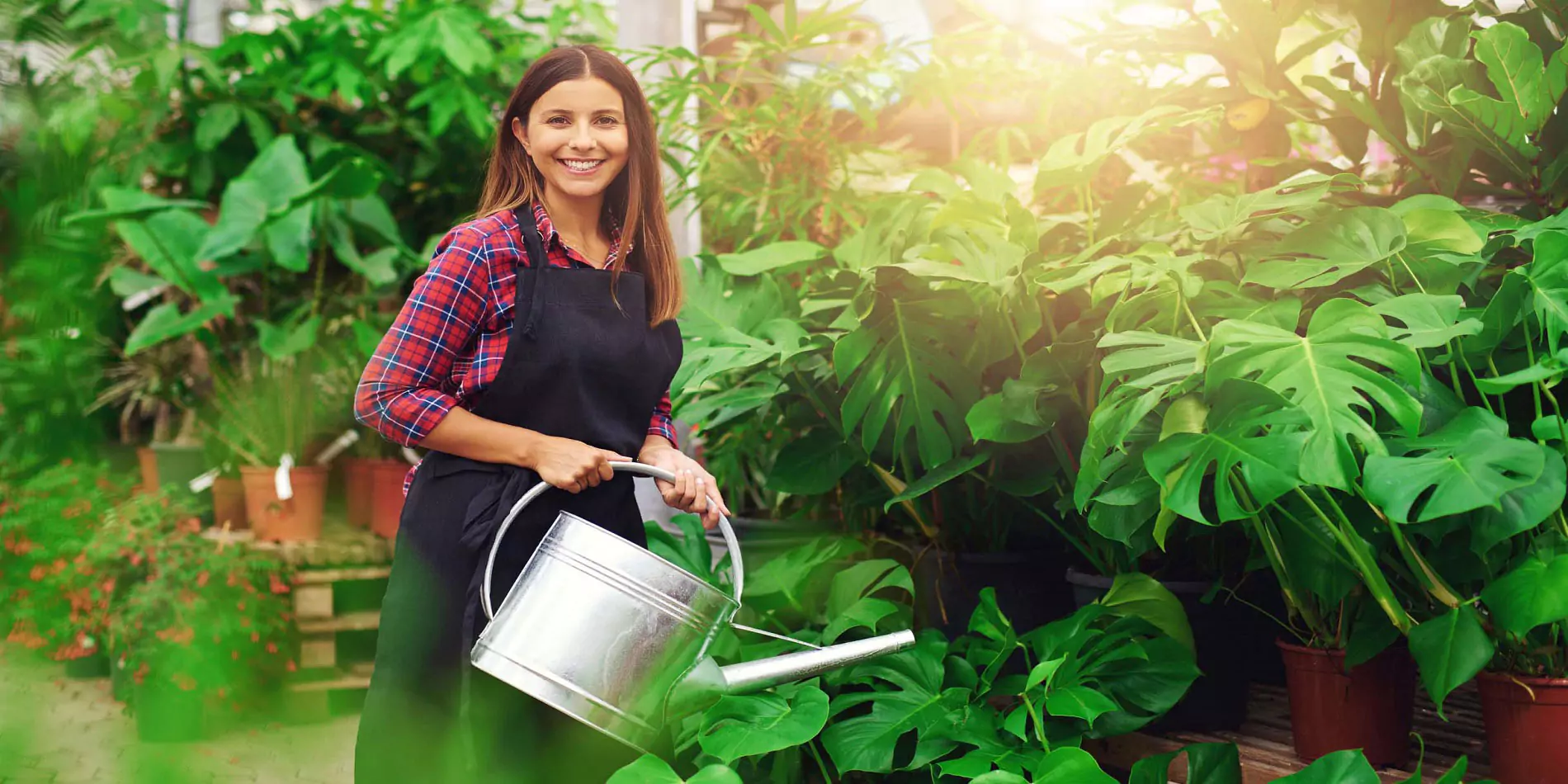
We all know that plants convert carbon dioxide into oxygen and plants at your place are no exception. Oxygen helps your body and mind work perfectly. It also makes sure you get high-quality air that is essential to your well-being.

Plants can be pretty house decors. The beauty of the hanging plant at your entrance is beyond compare. All it requires is a little attention. Time to time trimming, fertilising and watering is enough.
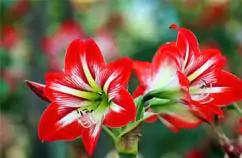
Are you feeling stressed? Experts recommend plants near you can lower stress levels and fatigue. Studies found stable the heart rate, blood pressure and respiratory issues. As a result, you get a good sleep that is essential for your health.


But if they develop to a particular stage in the nursery and after that, they are planted; the spacing will be equal throughout. This is important so that there is no contest for getting water, sunlight and minerals between them. It inspires you for gardening which is not just about having some colourful plants in our backyard. It is an art of cultivating plants, and for many, it is a passionate hobby. Learn how to curate different plants that increase the beauty of our homes.
Growing plants is an art as each sapling requires nurturing, proper care and attention to grow rapidly and healthily into a thriving plant that bears leaves, flowers and fruits. Plants grown in a nursery are given the attention from professionals, which is why they flourish like no other.


Our Vision
We want to make our nearby spaces a green & healthy place for everyone. Yallaroo intend to create an affordable, easy-to-use and quality driven platform that satisfies all gardening related information across Australia. We want people to understand that these plants not only make oxygen, reduce stress and clean the air around us, but also make our home look stylish. To provide valuable information, useful tips and care instructions on different vital plants, Yallaroo has been created. We want to become the most reliable platform where we can provide help to those people who want to know the right way to water or feed plants, the best time to sow them, how to sort out problems if things do not go as per the plan and keep your garden healthy.
Race against Time
We are making tireless efforts to save these endangered plant species



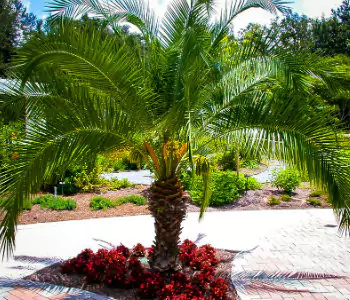
Dwarf Date Palm
(Phoenix Roebelenii)
Peace Lily
(Spathiphyllum)Why Experts Recommend Air purifying plants?
We all know that plants are essential to human life. With the help of photosynthesis, they convert the carbon dioxide into fresh oxygen and purify the air we breathe by absorbing the toxins.

An experiment in the late 80s found that the indoor plants absorb the cancer-causing compounds from the air such as benzene and formaldehyde. Several other studies found that it is not only the plant that helps to purify the air.

The soil microorganisms also play a crucial role in cleaning indoor air. Thus, scientists have concluded that house plants are useful natural air purifiers. And always remember that the leafier and bigger the plant, the better.
Importance of Garden Tools
If you like gardening and want to grow colorful plants in your backyard, you should use appropriate garden tools. These tools not only make things easy for you but also prevent serious back injuries. For instance, shovel that has been specially designed for Gardens are extremely useful when you have small and delicate plants. With its help, you can easily uproot pesky weeds and clear debris from plants without damaging the bases of the plants. At Yallaro we strive to use the best gardening tools for ploughing, planting seeds, racking, removing dead leaves and do much more to ensure plants at the nursery remain healthy. We understand how important equipment are for plant rearing so, we do our best to keep a stack of the best ones at our disposal during all seasons. Not only this, we use the services of best removalists Melbourne to move our plants from our one location to another. Gardening tools can help you to do all types of gardening activities efficiently and effortlessly. If you use the correct tools for gardening, you will be able to get the desired results. We can help to get the tools right at your doorstep, and our experts can give you some valuable guidance to use the tool appropriately..

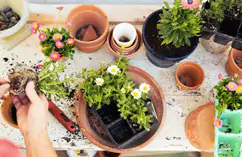
Keep the area clean! Carefully uproot useless weeds and adequately clean the debris from plants. This will help the plants to grow.

Water your plants appropriately. Always remember that both inadequate and excess water can damage the roots of the plants. So, maintain the balance.
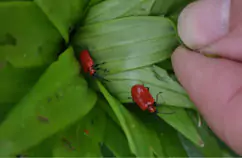
Keep a close watch on your bugs. Some insects actually transport viruses from one plant to another. Make sure you don’t have insects at your place.